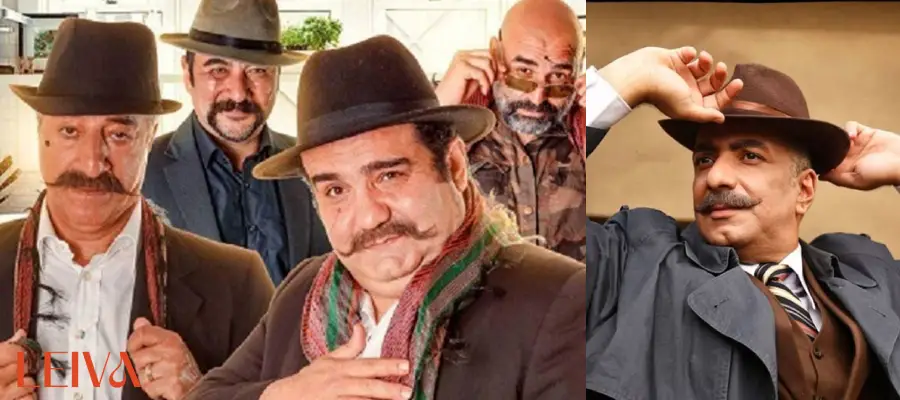



Baba Karam Nights at LEIVA Restaurant
November 30, 2025
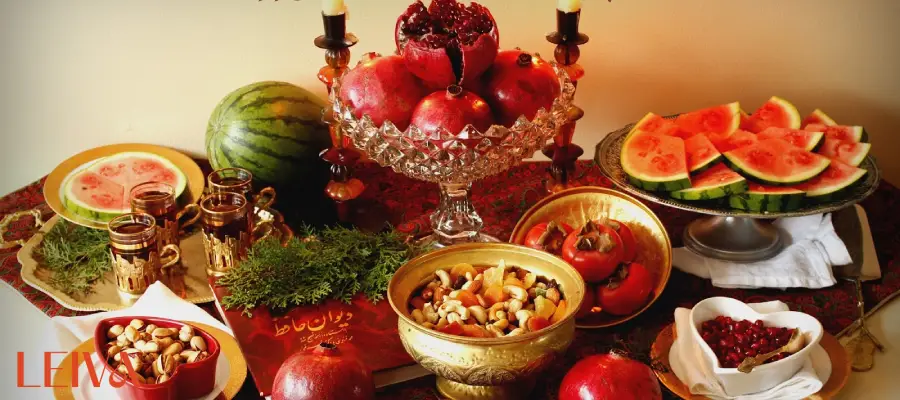
Yalda Night Event at Leiva Restaurant Dubai
December 14, 2025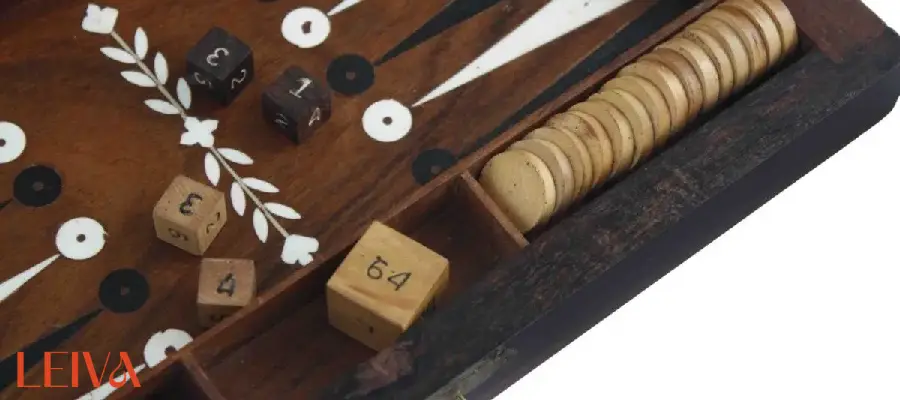
US English The History of Backgammon: From Antiquity to the Present
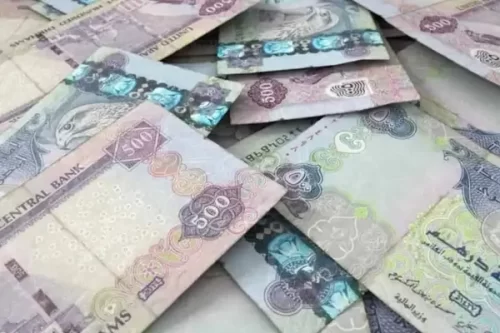
Every Monday, traditional backgammon tournaments are held at the Leiva Family Restaurant, with a 3,000 AED cash prize for the first-place winner.
What is Backgammon? – A General Introduction
Backgammon is one of the world’s oldest board games, combining both luck and strategy. It is a two-player game played using two dice and 30 checkers (15 for each player) on a board with 24 narrow triangles called “points.” The objective is to move all your checkers into your inner home board and then bear them off (remove them from the board). Backgammon is far more than just a pastime—it is recognized globally as a mind sport, with official tournaments and international rankings.
Historical Roots: From Ancient Iran to the World
Backgammon in Ancient Iran
Archaeological evidence shows that early versions of backgammon appeared around 5,000 years ago in what is now modern-day Iran, Egypt, and Mesopotamia. In ancient Persia, the game was known as “Nard” or “Nardban” and was deeply embedded in both aristocratic and popular culture. Historical sources indicate that Sassanian kings used the game as a tool for teaching strategy, planning, and decision-making.
Spread Through the Islamic Era and Medieval Europe
During the Middle Ages, backgammon traveled to Europe via Islamic trade routes and conquests, eventually evolving into its modern form—“Backgammon.” In medieval Europe, it became immensely popular among nobility and the middle class, often regarded as a “gentleman’s game.”
How to Play Backgammon: Simple Rules, Deep Strategy
Game Equipment
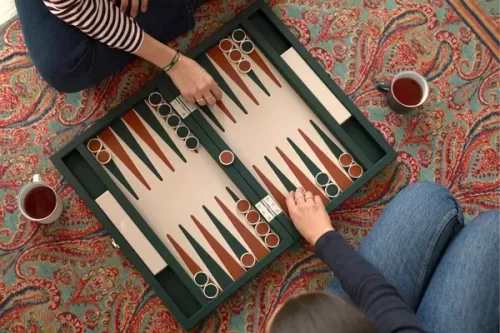
- Board: 24 points (triangular spaces), divided into four quadrants
- Checkers: 15 per player (typically white and black)
- Dice: Two standard six-sided dice
Objective
The main goal is to move all your checkers into your own inner board and then bear them off the board.
Movement Rules
- Players take turns rolling two dice and moving their checkers counter-clockwise based on the numbers rolled.
- If a single opponent checker (a “blot”) occupies a point, you can hit it and send it to the bar (center of the board).
- Checkers on the bar must re-enter the board before any other moves can be made.
Chance Meets Skill
Backgammon uniquely blends the randomness of dice rolls with deep strategic thinking. Decisions about which checker to move, which points to build, and how to block your opponent require careful analysis—making it a continuous intellectual challenge.
Backgammon in Contemporary Iran
In Iran today, backgammon remains one of the most beloved family games. It thrives in traditional cafés, homes, and even among younger generations, symbolizing intelligence, patience, and social interaction. Iranian players have also made notable appearances in international tournaments, establishing Iran as one of the strongest nations in competitive backgammon.
Conclusion: Why Is Backgammon Still Alive After 5,000 Years?
Backgammon has endured for five millennia—resisting even the rise of digital entertainment and modern games. Its longevity lies in its simplicity to learn and infinite depth in mastery. Today, online platforms, mobile apps, and professional circuits have turned backgammon into a global cultural phenomenon—with Iran still standing as one of its historic and cultural heartlands.
Play Backgammon at Leva Restaurant
Join us every Monday at Leva Family Restaurant for traditional backgammon matches, accompanied by our hospitality and refreshments.
For more information, contact us on WhatsApp: +971 50 258 7268
follow our Instagram: leivatakhte